Posts

8 ways to get the most out of your ERP system
Image
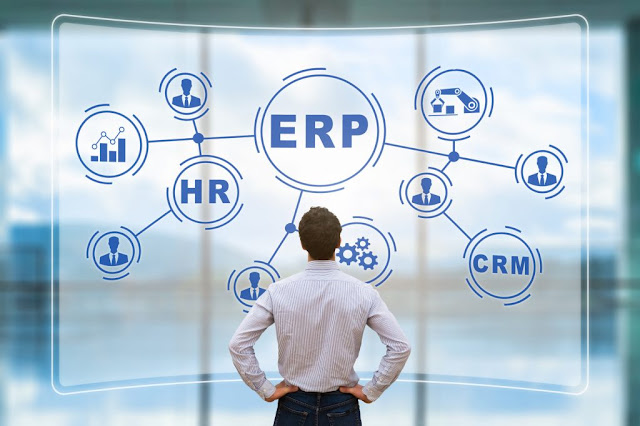
Implementing an ERP system is an expensive proposition that can cost millions of dollars (with the software licenses, consulting fees, integration c osts, training and upgrades factored in) and take months, even years, to fully deploy. So, what steps can you take when choosing or deploying an ERP solution to decrease the likelihood of failure? Here are eight suggestions from ERP experts, systems integrators and project managers who have successfully implemented an ERP software system. 1. Choose an ERP solution that best suits your business’s needs (and industry requirements) “Because it’s a major investment of time and money, be sure to create a comprehensive list of requirements with input from multiple key stakeholders. “Define your company’s core needs,”. Your system requirements should be a short list of functional and operational must-haves and an equally short list of key strategic requirements that will support your future growth. A well-defined list of requi...
3 Often-Overlooked Aspects of ERP Software

Image
The major benefits of  enterprise resource planning (ERP) software  are well known. The automation of routine transactions, the integration of critical business functions, and the linking of different departments, plus the capture and centralized storage of data are all things you may expect to gain from a successful selection project for a new ERP solution. In most cases, ERP systems available today are also comprehensive in what they offer. In other words, you’ll find that ERP solutions have good coverage of functions such as finance/accounting, sales management, inventory management, customer relationship management, business intelligence capabilities, and other such business mainstays. In other words, each function has a sufficient number of features built into the software. In this post, however, we direct your attention to three less-obvious aspects of ERP systems that can be overshadowed by functional categories and the incorporation of new technologies. These ...

The Role of ERP in Digital Transformation

Image
Enterprise Resource Planning (ERP) application knocks down operational inefficiencies, data duplicity and increases the turn-around time with maintaining cost and quality. Simply put together, ERP is an umbrella term when it comes to managing your accounts, resources, finances, inventories, and manufacturing. Also, it is possible to manage customers, suppliers, vendors, and partners through a single collaborative platform. Enterprise Resource Planning (ERP) software allows a unified view of multiple business operations and facilitates remote working. This means companies can save both time and effort and at the same time be readily available anytime without having to be stationed in one place. Consolidating data, which was once considered to be a mind-boggling task, is nowadays a no-brainer for most companies due to ERP. Also, emerging technologies like Artificial Intelligence (AI), Machine Learning and Big Data can be integrated with a modern ERP. Therefore, ERP leverages organ...

The Confluence of Cloud and ERP

Image
Cloud computing is unquestionably changing the landscape of how traditional enterprise software is being licensed and implemented. Enabling ERP functionality into service-based, on-demand workloads is not only transforming time to implement, but the economics is dramatically changing where much of the costs are spread over longer periods of time rather than large upfront costs. This can be a tremendous benefit to organizations. Additionally, although there are security, compliance, and privacy considerations, moving critical applications to industry leading data centers can help improve organizations business continuity, disaster recovery, performance and scalability capabilities. The Role of Big Data Analytics  The application for Big Data is extending into many different areas. ERP is no exception. However, with any analytics initiative, it’s important to understand the underlying performance and trending metrics the organization is focused on capturing. From there, th...

What is the Future of Cloud ERP?

Image
The Future of ERP is Cloud. But the Future of Cloud ERP is something quite different. Both are interesting!   The continued case for cloud With cloud ERP hitting its stride, many companies are finally getting over their concerns about privacy and compliance in order to make the move. Fast-moving SMBs have been the quickest to adopt cloud solutions, while larger organizations have often been held back by their own complexity. Some companies just want to stay where they are. The future of ERP will reflect the future of business as a whole. As we become more global, more mobile and more data-centric - we will need accessible ERP solutions to support us. This means cloud. Legacy and on-premise systems just can’t do that in the same way. Slowly does it It’s worth pointing out that not all cloud transitions are carried out in one go. Many organizations take the Finance function as a starting point. Then, as confidence grows, they move on to other functions, like supply ...

ERP Solutions for Manufacturing Sector

Image
Tons of inventory, machines, and processes: this is what makes machinery and equipment manufacturing a challenge. Workflow management of multi-level assemblies can become a tangle of inter-dependencies for machinery manufacturers, but with an ERP inventory tracking, shop floor scheduling, and other MRP functions can easily be managed and adjusted for greater throughput. Machinery and equipment manufacturers can also gain an understanding of the actual costs of each build while becoming a reliable industrial machinery manufacturer for their customers by using key features and functionalities available in an ERP>  Enhancing collaboration across the manufacturing process The need for collaboration in manufacturing processes is key for machinery and equipment manufacturers. Complex BOMs, fabricating parts and sub-assemblies and making a final assembly using hundreds of parts with multiple operations and thousands of tasks all add up to a complex manufacturing process. Wi...